
How to Become a Doula in Florida: Training, Certification & Mentorship Guide
The demand for Florida doulas has grown tremendously as more families seek continuous emotional, educational, and physical support during pregnancy, birth, and postpartum. If you feel called to support families during one of the most transformative times of their lives, becoming a doula can be incredibly meaningful work.
But while passion is a great place to start, building a sustainable career as a doula requires training, mentorship, and hands-on experience.
In this guide, we’ll walk through how to become a doula and how to find the mentorship that helps you grow with confidence.

What Does a Doula Do?
A doula is a trained professional who provides non-medical support to families during pregnancy, labor, birth, and the postpartum period. Its important to note that not all doulas are the same, and it's very valuable to learn the various types of service models that meet your passions and aspirations!
Depending on the type of doula, support may include:
Emotional support during pregnancy and labor
Physical comfort measures such as massage, movement, and positioning
Evidence-based education about birth options
Advocacy and communication support in medical settings
Postpartum recovery and newborn care guidance
Research shows that doula support is associated with lower cesarean rates, shorter labors, and higher satisfaction with the birth experience.
There are typically three main types of doulas:
Birth Doulas – Support families during pregnancy, labor, and delivery.
Postpartum Doulas – Provide support after the baby arrives, helping with recovery, newborn care, and household transition.
Full-Spectrum Doulas – Support families through pregnancy, birth, postpartum, miscarriage, and reproductive experiences.
Step 1: How to Choose a Doula Training Program That Fits Your Goals
The first step in becoming a doula is enrolling in a reputable training program.
Many organizations offer doula certification, including:
Best Doula Training
Birth Arts International
Training programs typically include:
Birth physiology and stages of labor
Comfort techniques and positioning
Emotional support skills
Client communication
Business and ethics training
Most programs involve both coursework and attending a certain number of births or postpartum shifts before certification.

Step 2: Expand Your Doula Skills Beyond Training and Certification
While certification provides a foundation, the most effective doulas continue learning long after their initial training.
Many pursue additional education such as:
Lactation education
Newborn care training
Childbirth education training
Trauma-informed care
Cultural competency
Some doulas also come from healthcare backgrounds such as nursing, midwifery, or lactation consulting, which can deepen their understanding of birth and postpartum care.
Step 3: Gain Hands-On Doula Experience with Mentorship
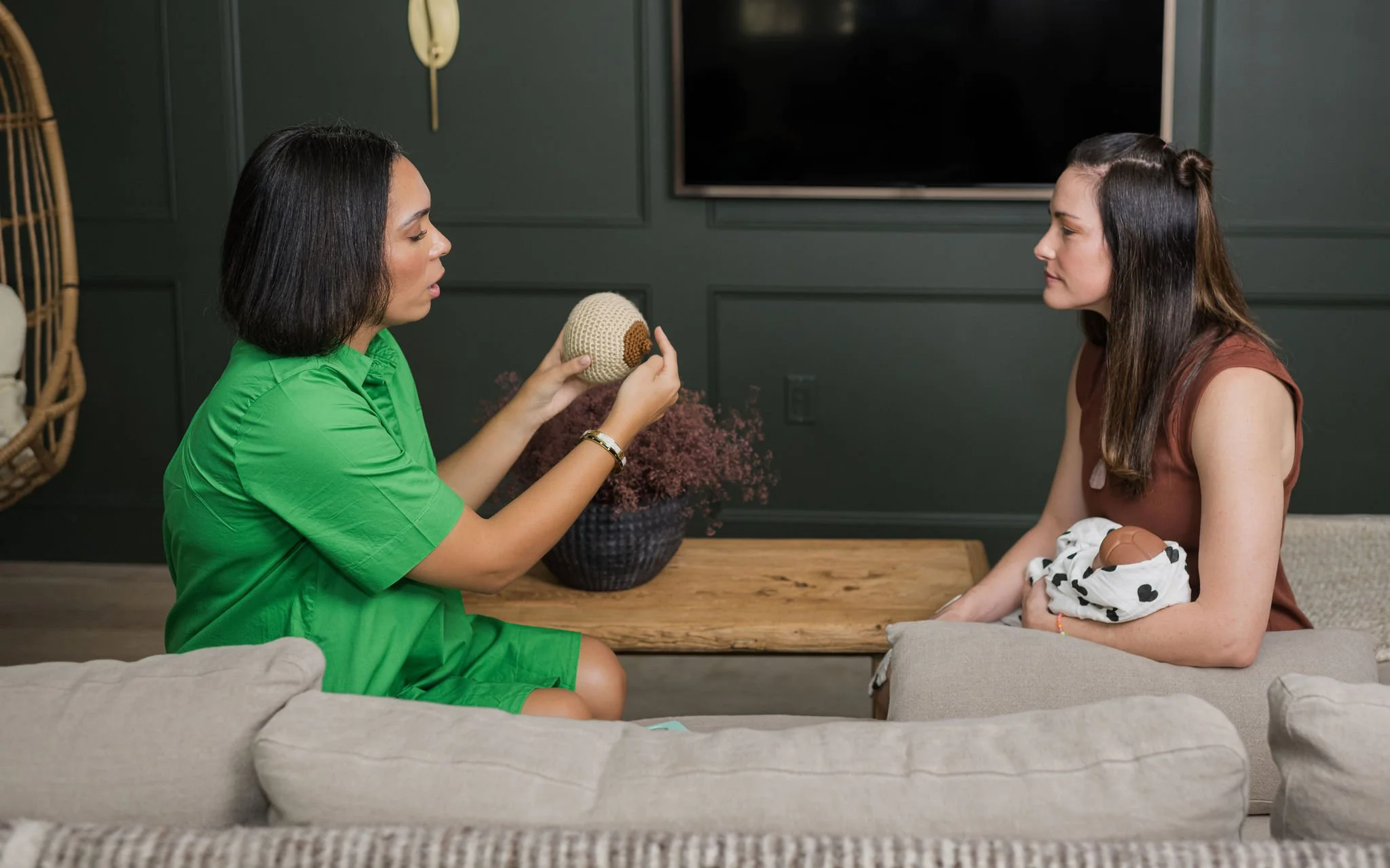
Experience is one of the most valuable parts of becoming a doula - and can be one of the more challenging pieces to obtain for certification and credentialing. Birthwork is a very vulnerable and intimate space that deserves the utmost care, intention, and respect.
Because of this, “shadowing” isn’t typical, as many parents prefer their birth/postpartum to be as private and intimate as possible. Instead, here are some ways to gain hands-on experience while also being mindful of the sanctity of the space:
New doulas often start by:
Supporting friends or family members during birth
Volunteering with community birth programs
Attending births with a mentor/under the guidance of a mentor
Joining a doula team or agency
Each birth teaches invaluable lessons about communication, emotional support, and adaptability.
Why Mentorship is Essential for Aspiring Doulas
One of the most overlooked steps in becoming a doula is mentorship.
Birth work is deeply relational and experiential. While training programs teach the fundamentals, mentorship helps new doulas learn how to apply those skills in real-life situations.
A mentor can help you:
Navigate complex birth situations
Develop client communication skills
Learn how to collaborate with medical providers
Build confidence attending births
Understand the business side of doula work
Mentorship bridges the gap between learning about birth and actually supporting families in the birth space.
How to Find a Doula Mentor
There are several ways aspiring doulas can find mentorship:
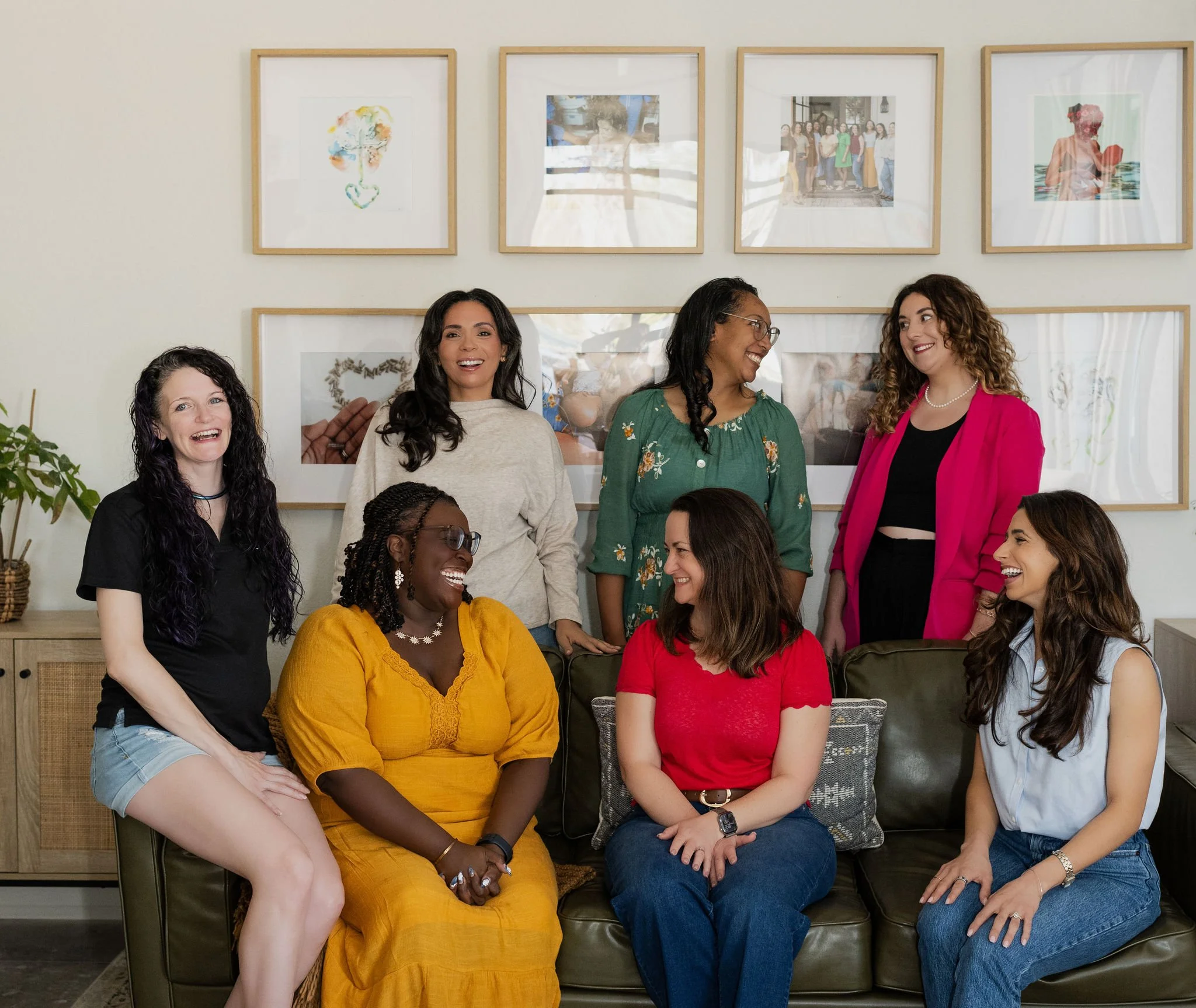
Join a Doula Organization or Collective
Many established agencies offer mentorship opportunities, team support, and collaborative learning environments.
Working alongside experienced doulas allows new doulas to gain exposure to real clients and professional standards.
Connect with Local Birth Professionals
Networking with midwives, lactation consultants, childbirth educators, and experienced doulas can open doors to mentorship relationships.
Birth communities tend to be collaborative, and many experienced doulas enjoy supporting the next generation of birth workers.
Attend Birth Worker Events and Workshops
Birth conferences, continuing education workshops, and professional gatherings are excellent places to meet mentors and expand your network.
These spaces allow you to learn directly from experienced professionals while building relationships within the birth community.
You can join the Tampa Bay Birth Network and One Love Nest newsletter, both local non profits who host occasional networking events.
Building a Sustainable Doula Career
Once you’ve completed training and gained mentorship, the next step is building your doula practice.
Successful doulas focus on:
Clear client communication
Continuing education
Building relationships with birth professionals
Maintaining healthy work-life boundaries
Providing compassionate, client-centered care
Many doulas also join teams or agencies that provide administrative support, client referrals, and professional community.
What to expect/A Day in the Life as Doula
Being a doula is not black and white - rather, there are constant ebbs and flows and it's imperative that a doula have the necessary flexibility and adaptability to meet client needs.
A typical day in the life of a doula will often vary constantly depending on your caseload, client needs, and the types of services you offer.
For example, a postpartum doula may have the following schedule over a three day period:
Monday:
10am: New client consultation
12pm-6pm: Postpartum daytime shift
Wednesday:
10am-12pm: work on client follow-ups and educational materials development
1pm: New client consultation
3pm-7pm: Sleep
9pm-7am: overnight postpartum shift
Friday:
10am: Client follow-ups/check-ins
12pm-6pm: postpartum daytime shift
However, labor/birth doulas typically function slightly differently as labor doulas must have periods of being on-call where the doula is ready at a moment's notice to support a client during their labor and delivery.
It can be helpful to practice this ahead of time - assign a friend or family member to be your pretend client. Then, assign them a window of time (such as two weeks) where at any point during the agreed upon timeframe, the “client” can contact you for labor support. When you receive the call, some things to assess are:
How far were you from the “client” when you received their call for support?
Did you have your doula bag/essentials on your person and ready to go?
How is your body feeling? Are you well rested/nourished/of sound mind?
Do you have to arrange any childcare or coordinate any other pieces for your personal life?
Regardless of the doula path you choose to pursue, remember that this isn’t your standard 9am-5pm work environment. It's important to be honest with yourself about your capacity for client support and consistently be mindful of things that may impact your ability to show up fully for your families!
A Calling Rooted in Compassion
Becoming a doula is more than a career—it’s a calling rooted in compassion, advocacy, and deep respect for families during a transformative time.
With the right training, mentorship, and support, doulas have the opportunity to make a lasting impact on birth experiences and family wellbeing.
If you feel drawn to this work, trust that curiosity and begin exploring the path ahead.
Every experienced doula once started exactly where you are now.
Wondering where to find a doula near you? Look no further! One Love provides comprehensive support for expectant and new parents in Tampa, St. Petersburg, Land O’ Lakes, Lakeland, Plant City, Downtown Tampa, and beyond.
Our services include Tampa doula support, childbirth education, placenta encapsulation, in-home postpartum doula care, specialized lactation support by our CLC’s and IBCLC’s, and birth photography!
Plus, we offer virtual services to accommodate your needs. Let's embark on your amazing birth and postpartum journey together!
All with,