
Baby-Led Weaning: A Complete Beginner's Guide to Starting Solids with Confidence
Starting solids is one of the most exciting milestones of your baby's first year. Along with the excitement often comes a long list of questions: Should we start with purees? What foods are safe? How do we know our baby is ready?
One feeding approach that is increasingly popular among parents is baby-led weaning (BLW). This method encourages babies to self-feed from the start, allowing them to explore foods, textures, and flavors at their own pace.
If you're considering baby-led weaning, this guide will walk you through everything you need to know, including readiness signs, first foods, safety considerations, and tips for success.
Whether you're just beginning to think about introducing solids or you're preparing for starting solids at 6 months, understanding your options can help you feel more confident.

What Is Baby-Led Weaning?
Baby-led weaning is an approach to introducing complementary foods that allows babies to feed themselves rather than being spoon-fed purees.
Instead of focusing solely on pureed foods, babies are offered soft, appropriately sized pieces of food they can grasp and bring to their own mouths.
Despite its name, baby-led weaning does not mean stopping breast milk or formula. Breast milk and formula remain your baby's primary source of nutrition throughout the first year, while solids are introduced to complement milk feeds and support developmental growth.
Key Principles of Baby-Led Weaning
Baby self-feeds from the beginning
Parents provide safe food choices
Baby determines how much to eat
Family meals are encouraged
Exploration is prioritized over consumption
When Should You Start Baby-Led Weaning?
Most babies are ready to begin solids around 6 months of age.
Before introducing solid foods, look for these developmental signs:
Signs of Readiness
✓ Sits upright with minimal support
✓ Has strong head and neck control
✓ Brings objects to their mouth
✓ Shows interest in food
✓ Can coordinate grabbing and holding items
✓ Has lost the tongue-thrust reflex
*If your baby was born prematurely or has developmental concerns, consult your healthcare provider before beginning solids.
Baby Sleep and Starting Solids: What Parents Should Know
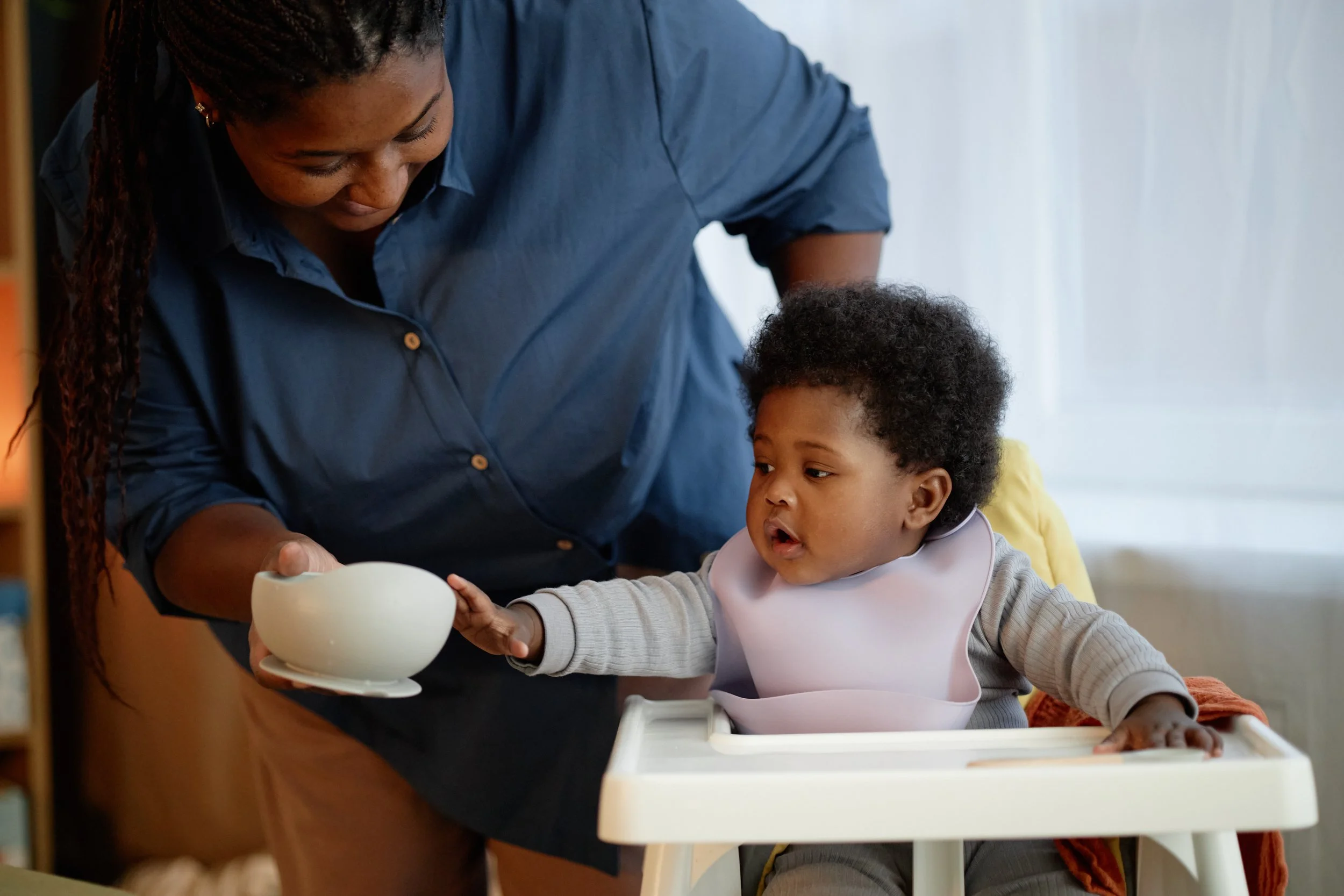
Around the same time babies begin solids, many families notice changes in sleep. This often leads parents to wonder whether baby-led weaning or new foods are affecting their baby's rest.
The reality is that around 6 months, babies are experiencing several major developmental milestones at once. They're learning to sit, crawl, communicate, eat new foods, and explore their world in new ways. While starting solids doesn't automatically improve sleep, this season of development can sometimes coincide with sleep disruptions.
Some families notice:
Increased night wakings
Shorter naps
Early morning wake-ups
Difficulty settling at bedtime
Changes in feeding routines
It's important to remember that sleep is influenced by many factors, including age, developmental milestones, teething, feeding patterns, and overall routines.
If you've recently started solids and feel like your baby's sleep has become less predictable, you're not alone. These changes are common, and support is available.
Looking for Better Sleep?
Our pediatric sleep consultants help families create realistic, developmentally appropriate sleep plans that support both baby and parents. Whether you're navigating sleep regressions, starting solids, frequent night wakings, or challenging naps, we're here to help.
If you're struggling with frequent night wakings, naps, or adjusting to developmental changes, an infant sleep consultant can provide personalized guidance for your family.
💛 Ready for more restful nights?

Benefits of Baby-Led Weaning
Encourages Independence
Babies learn to explore food independently and develop confidence during mealtimes.
Supports Fine Motor Development
Picking up food helps strengthen:
Hand-eye coordination
Pincer grasp development
Oral motor skills
Promotes Responsive Feeding
Babies learn to recognize their own hunger and fullness cues from the beginning.
Increases Exposure to Different Foods
Offering a variety of flavors and textures may encourage more adventurous eating habits later on.
Makes Family Meals Easier
Many families enjoy sharing modified versions of the same meals together, making mealtimes more inclusive.

Baby-Led Weaning First Foods: The Best First Foods for Babies
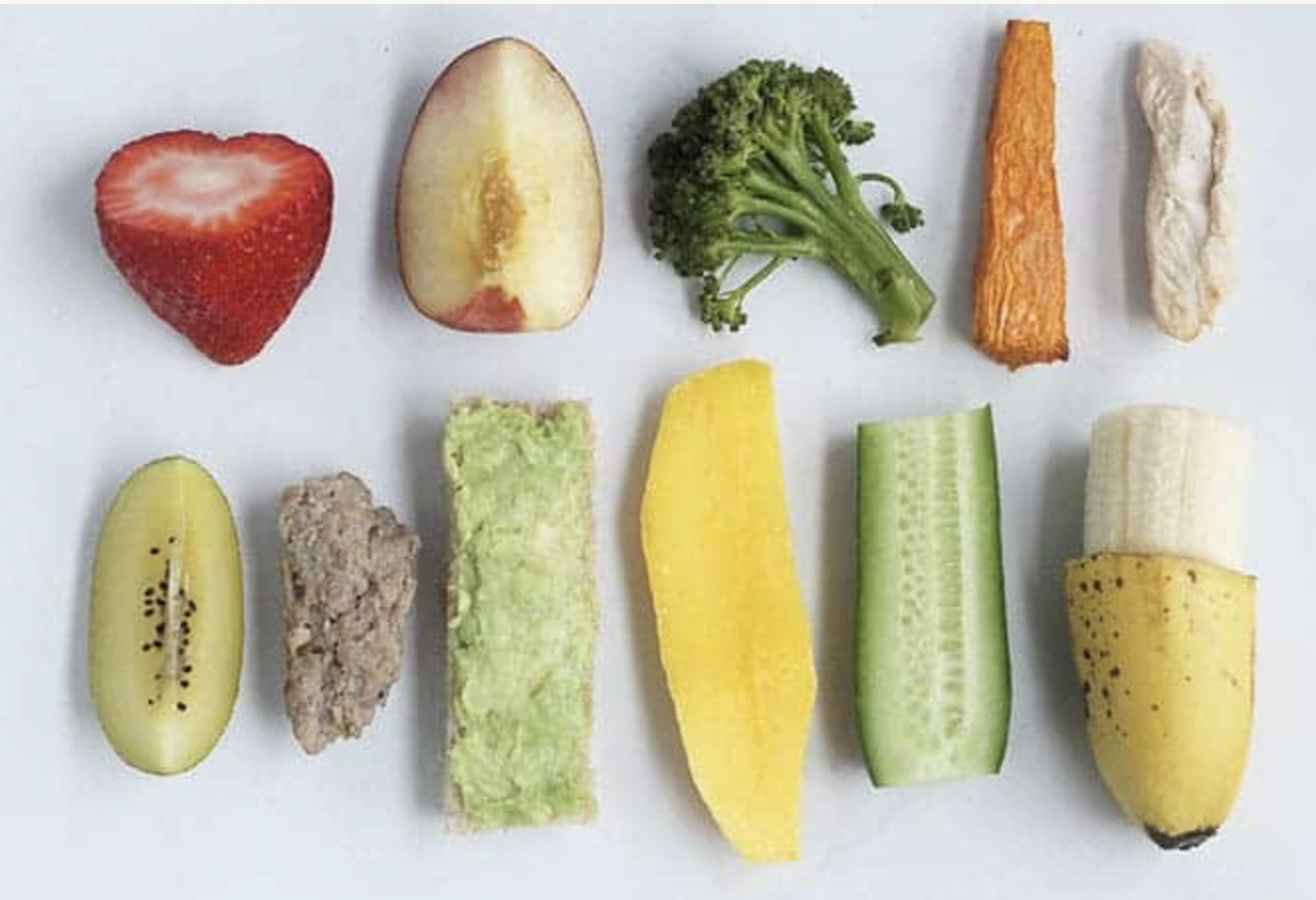
When selecting first foods, focus on soft, nutrient-dense options that are easy for babies to hold.
Fruits
Avocado slices
Banana spears
Mango strips
Soft pear
Ripe peach slices
Cooked carrots
Butternut Squash
Protein Sources
Scrambled eggs
Shredded chicken
Flaked salmon
Soft meatballs
Lentils
Iron-Rich Foods
Iron becomes especially important around 6 months of age.
Consider offering:
Beef
Dark poultry meat
Lentils
Beans
Iron-fortified oatmeal
Yummy Toddler Food
Gagging vs. Choking: Understanding the Difference
One of the biggest concerns parents have about baby-led weaning is safety.
What Is Gagging?
Gagging is a normal protective reflex.
Signs include:
Coughing
Sputtering
Tongue thrusting
Noisy sounds
Red face
Although it can look alarming, gagging helps babies learn how to safely manage food in their mouths.
What Is Choking?
Choking is a medical emergency.
Signs include:
Silent struggle
Difficulty breathing
Blue or gray skin color
Inability to cough
Every caregiver should become familiar with infant CPR and choking response before introducing solids.
Understanding gagging vs choking is one of the most important aspects of baby-led weaning safety.
*Message us for our upcoming CPR classes where we also review how to handle child emergencies including chocking hello@onelovedoula.com.
Foods to Avoid During Baby-Led Weaning
Certain foods present a choking risk and should be modified or avoided.
Avoid:
Whole grapes
Popcorn
Nuts
Hard candies
Raw apple chunks
Hot dog rounds
Large spoonfuls of nut butter
Also Avoid:
Honey before age one
Excessive added sugar
Excessive sodium
When in doubt, modify foods to reduce choking risks and supervise all meals.
Can You Combine Purees and Baby-Led Weaning?
Absolutely.
Many families choose a mixed feeding approach and find it works well for their baby and lifestyle.
Examples include:
Oatmeal for breakfast
Finger foods for lunch
Yogurt paired with self-fed fruit strips
There is no evidence that parents must choose one feeding method exclusively.
The best feeding approach is the one that supports your baby's development while fitting your family's needs.
Tips for Baby-Led Weaning Success
Eat Together
Babies learn by watching others eat.
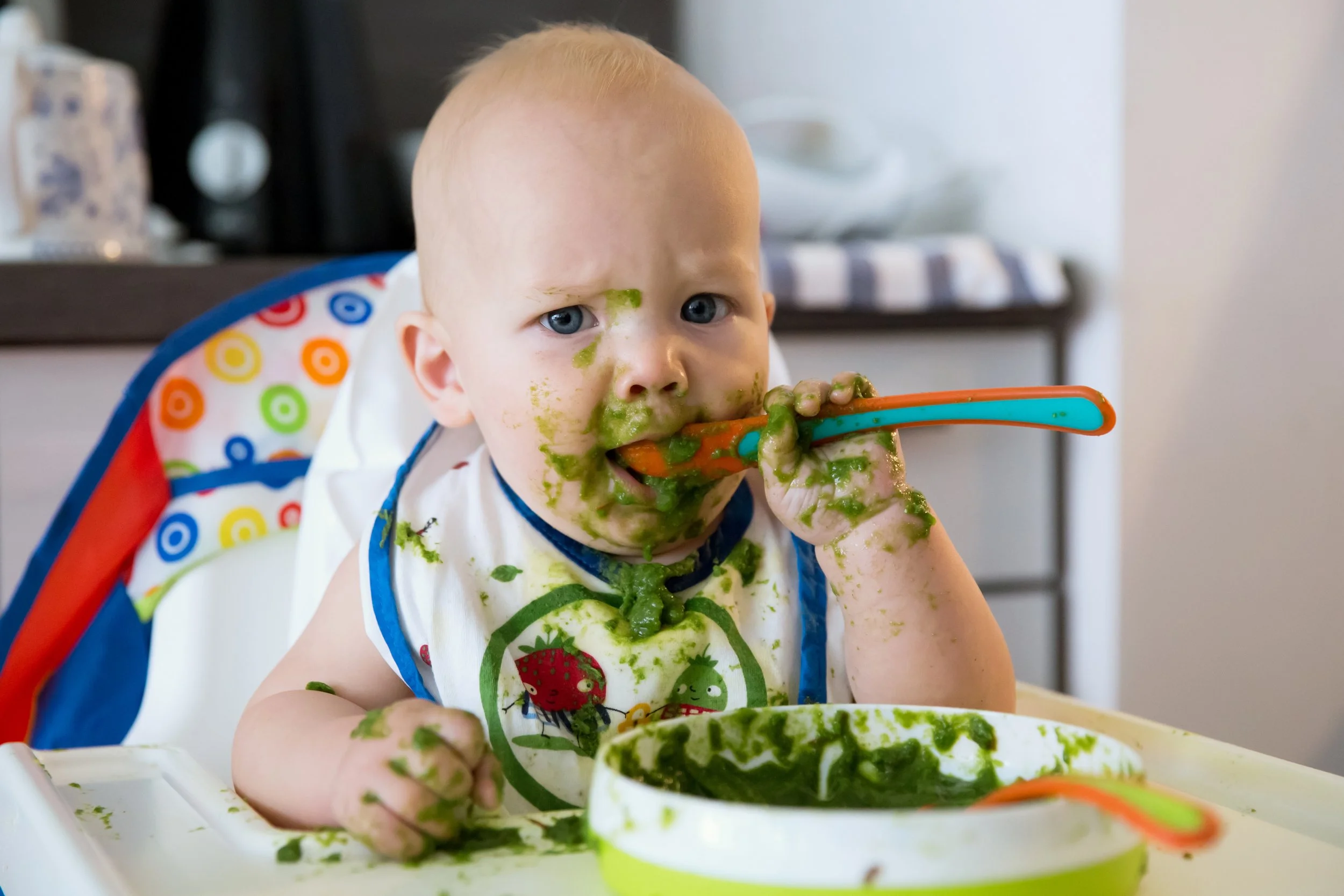
Expect a Mess
Messy eating is part of the learning process.
Avoid Pressure
Allow babies to decide how much they eat.
Offer Variety
Repeated exposure helps build familiarity and acceptance.
Stay Consistent
Eating is a skill that takes time and practice.
Focus on Exploration
Touching, squishing, smelling, and tasting food are all valuable learning experiences.
Common Questions About Baby-Led Weaning
-
Research suggests that when safe feeding practices are followed and age-appropriate foods are offered, baby-led weaning does not appear to increase choking risk.
-
In the early months of solids, breast milk or formula remains the primary source of nutrition. Food intake gradually increases over time.
-
In the early months of solids, breast milk or formula remains the primary source of nutrition. Food intake gradually increases over time.
-
At around 6 months, most babies continue to receive the majority of their nutrition from breast milk or formula while gradually adding one or two opportunities each day to explore solid foods. Your baby's feeding schedule will evolve as they grow and become more comfortable with eating.
Final Thoughts
Baby-led weaning can be a wonderful way to help your baby develop feeding skills, confidence, and a positive relationship with food.
Whether you choose baby-led weaning, traditional spoon-feeding, or a combination of both, there is no perfect approach. The goal is to provide safe, nourishing foods while supporting your baby's unique developmental journey.
Trust the process, embrace the mess, and remember that every baby develops at their own pace.
Need More Support Navigating Infant Feeding?
Whether you're preparing to start solids, working through feeding challenges, or looking for guidance on sleep and development, our team is here to support you every step of the way.
💛 New Parent Education
Because every family deserves support, confidence, and compassionate guidance throughout their parenting journey.